Anyone who has gone through a hotel build will tell you it rarely follows a straight line from idea to opening day. There are design changes, brand standards to meet, mechanical systems that need to support round the clock operations, and a long list of inspections before a single guest can check in.
This guide walks through what hotel development construction actually looks like, from the earliest planning conversations to the day the doors open, and what separates a builder who can handle this complexity from one who cannot.
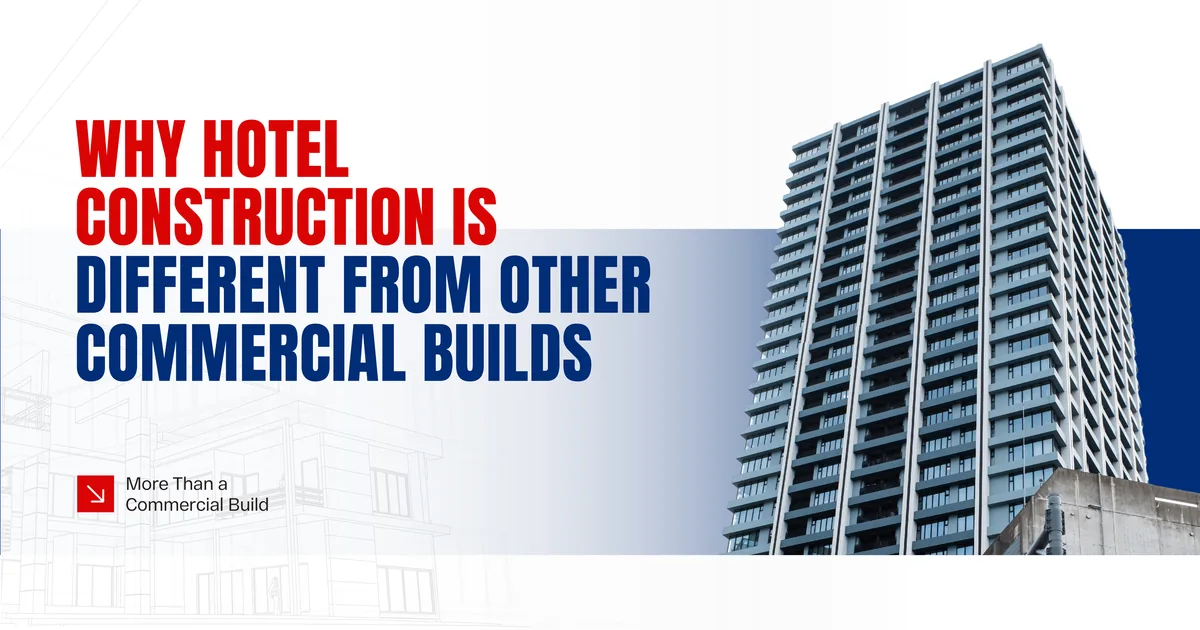
Why Hotel Construction Is Different From Other Commercial Builds
Most commercial projects need to function well for the business operating inside them. A hotel needs to function well for hundreds of different people every single night, many of whom will never come back if something feels off.
This changes how a project needs to be planned. Mechanical and electrical systems have to support continuous occupancy, not just regular business hours. Sound insulation between rooms becomes a real design priority, not an afterthought. Life safety systems need to account for guests who may be unfamiliar with the building during an emergency.
A construction company without hotel specific experience can still build a structurally sound building, but they may miss details that only show up once the property is operating. Choosing a builder who understands hospitality specifically tends to prevent a long list of expensive fixes after opening.
Brand Standards Add Another Layer of Complexity
If the hotel is operating under a recognized brand, there are usually strict design and construction standards that must be followed exactly. These standards cover everything from room layouts to lighting specifications to finishes in common areas. A builder unfamiliar with these requirements can cause real delays during brand inspections, sometimes requiring rework that could have been avoided with more experience upfront.
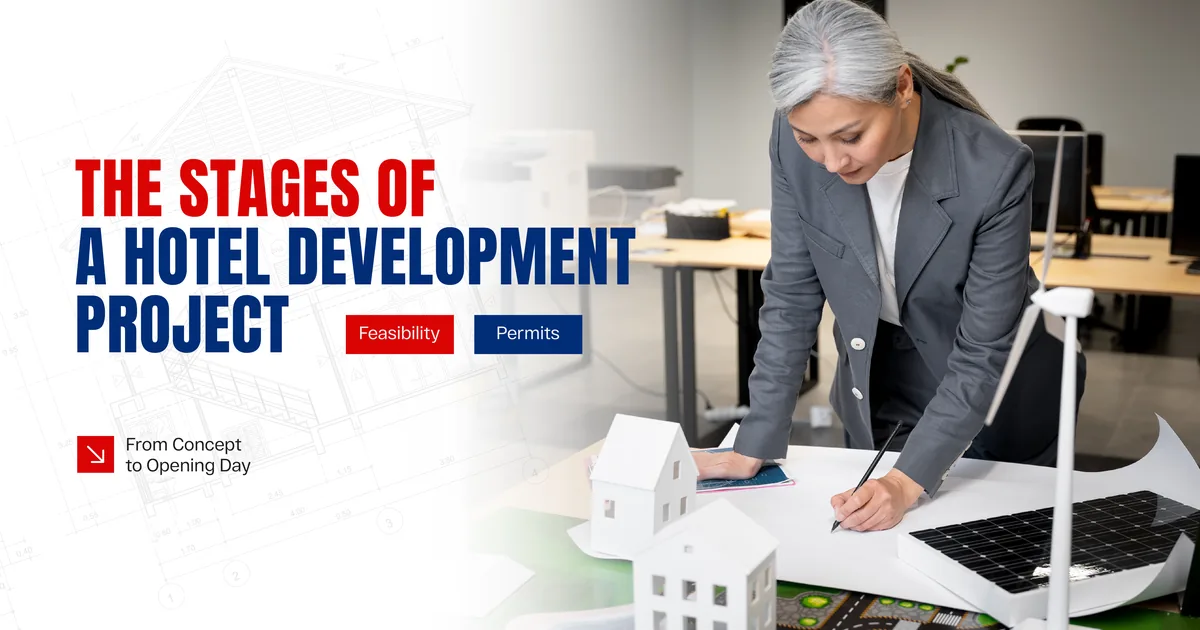
The Stages of a Hotel Development Project
Hotel construction generally follows a clear sequence, even though the details shift depending on the size and brand involved. Understanding these stages helps owners know what to expect and where delays most commonly happen.
Concept and Feasibility
Before any construction begins, the project needs a clear concept. This includes the type of hotel, the target guest, the number of rooms, and a realistic budget. A feasibility study at this stage often determines whether the project makes financial sense before significant money is spent on design.
Design Development
Once the concept is set, architects and designers develop detailed plans that account for guest rooms, common areas, back of house operations, and all required life safety systems. This stage also involves close coordination with the construction company to confirm that the design is realistic to build within budget and timeline.
Permits and Approvals
Hotels often require a more involved permitting process than smaller commercial buildings, due to occupancy requirements and life safety considerations. A construction company with strong local knowledge can move through this stage more efficiently, since they already understand what local authorities typically expect.
Procurement and Site Preparation
This stage involves ordering materials, confirming subcontractors, and preparing the site for construction. Hotels often require specialized equipment for kitchens, laundry facilities, and mechanical systems, all of which need to be ordered with enough lead time to avoid delays later.
Construction
The actual build involves coordinating dozens of trades across structural work, mechanical systems, interior finishes, and technology infrastructure. Hotels typically require tighter quality control than standard commercial buildings, since finishes and functionality directly affect the guest experience.
Inspections and Brand Compliance
Before opening, the property usually needs to pass a combination of municipal inspections and brand specific reviews if operating under a franchise or flag. This stage can become a bottleneck if earlier construction work did not account for these standards properly.
Opening and Handover
Once approvals are complete, the property transitions into operation. A strong handover includes full documentation, training on building systems, and a clear list of any outstanding items still being resolved under warranty.
Here is a simplified view of how these stages typically flow.
| Stage | Primary Focus |
|---|---|
| Concept and Feasibility | Defining the project and confirming financial viability |
| Design Development | Creating detailed, buildable plans |
| Permits and Approvals | Securing required municipal approvals |
| Procurement | Ordering materials and confirming subcontractors |
| Construction | Building the property with strict quality control |
| Inspections and Compliance | Meeting safety and brand standards |
| Opening and Handover | Transitioning into operation |
What Makes a Construction Company Suited for Hotel Projects
Not every building construction company is equipped to handle the specific demands of hospitality construction. A few qualities tend to separate those who are.
Experience With Continuous Occupancy Buildings
Hotels operate every day of the year, which means systems need to be designed and built with that reality in mind. A construction company experienced in hospitality understands how to plan around this from the earliest design stages.
Strong Coordination Across Many Trades
A hotel involves more moving pieces than most commercial projects, from kitchen equipment installation to guest room finishes to technology infrastructure. Commercial construction companies that specialize in larger, more complex builds tend to manage this coordination more smoothly than firms used to simpler projects.
Familiarity With Brand Standards
If the project involves a recognized hotel brand, experience navigating brand specific construction requirements can save significant time and prevent costly rework during final inspections.
Local Knowledge for Permits and Inspections
As with most large scale builds, local construction companies with established relationships and familiarity with regional requirements tend to move through approvals more efficiently than builders unfamiliar with the area.
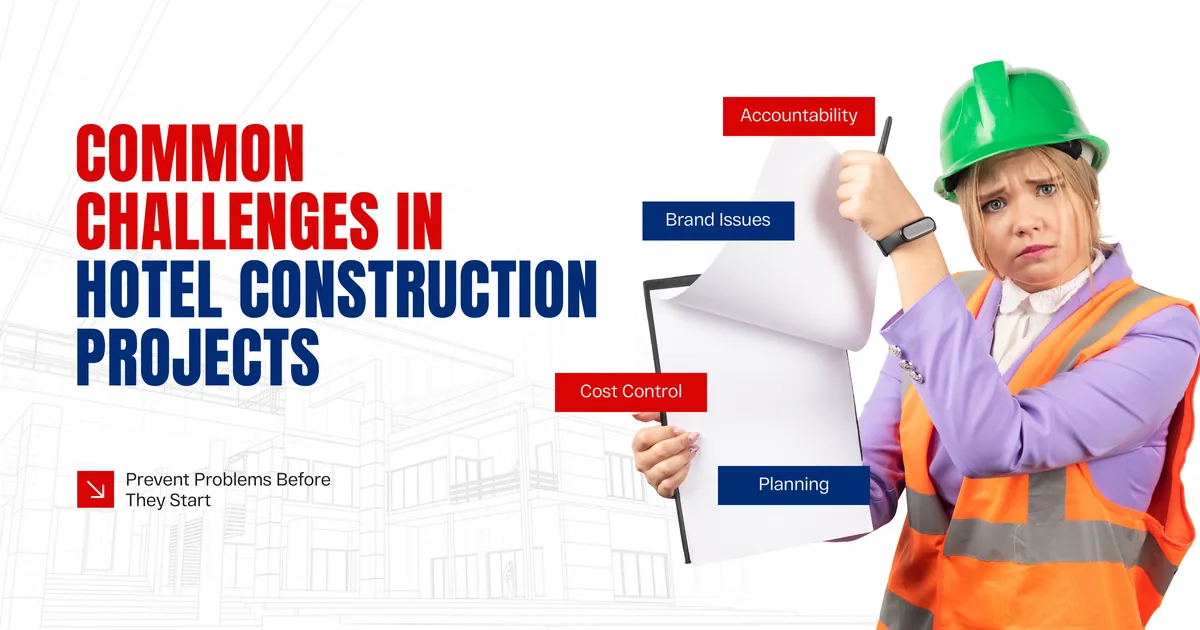
Common Challenges in Hotel Construction Projects
Even well planned hotel projects run into recurring issues. Knowing these in advance helps owners ask the right questions before construction begins.
- Budget creep often comes from underestimating mechanical and technology requirements early in design.
- Timeline delays frequently trace back to permit and inspection stages rather than the actual construction work.
- Brand compliance issues tend to surface late if construction teams are not familiar with specific brand requirements from the start.
- Coordination problems can arise when too many subcontractors are managed without a single accountable project lead.
How a Strong Construction Partner Helps Avoid These Issues
A construction company in Canada with genuine hospitality experience anticipates these challenges rather than reacting to them. This usually means more accurate budgeting from the start, realistic timelines that account for inspection stages, and project management structured around accountability rather than simply assigning tasks to whoever is available.
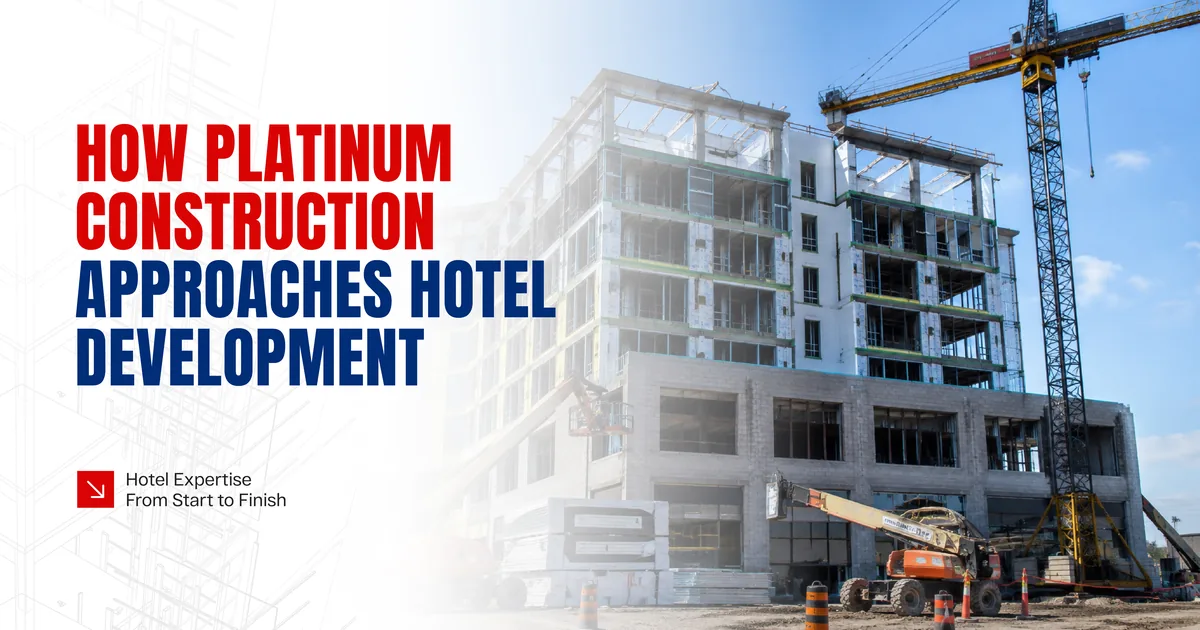
How Platinum Construction Approaches Hotel Development
At Platinum Construction, we treat hotel projects as the specialized builds they actually are, not as a slightly larger version of a standard commercial project. We work closely with owners and designers from the earliest planning stages, helping shape realistic budgets and timelines before construction even begins.
Our teams operate across Ontario, British Columbia, Alberta, and Atlantic Canada, giving us a strong understanding of regional permit processes that often affect hospitality projects more heavily than smaller commercial builds. Whether the project involves a major brand with strict standards or an independent boutique property, we bring the same level of attention to every detail.
We also understand that a hotel is not finished simply because construction is complete. Our handover process is designed to support a smooth transition into operation, with clear documentation and ongoing support for anything that needs attention after opening.
Frequently Asked Questions
How long does hotel construction typically take?
Timelines vary widely depending on size and brand requirements, but most hotel projects take between one and three years from concept to opening.
Why is hotel construction more complex than other commercial builds?
Hotels need to support continuous occupancy, strict brand standards, and a wide range of guest experience details that most commercial buildings do not need to consider.
What causes the most delays in hotel development?
Permit and inspection stages tend to cause more delays than the actual construction work itself, especially when brand compliance requirements are involved.
Do hotel projects always need to meet brand specific standards?
Only if the property operates under a recognized hotel brand. Independent properties have more flexibility but still need to meet standard building and safety codes.
Should I hire a local construction company for a hotel project?
In most cases, yes. Local construction companies understand regional permit timelines and inspection expectations better than companies unfamiliar with the area.
What is the biggest budgeting mistake in hotel construction?
Underestimating mechanical, technology, and kitchen equipment costs early in the design phase often leads to budget problems later in the project.
Can a construction company manage both design coordination and building the hotel?
Yes, many experienced commercial builders offer integrated services that combine design coordination with full construction management under one contract.

Choose the Right Construction Company for Your Hotel Development
Hotel development construction asks more of a construction company than most other commercial projects. It demands attention to guest experience, strict compliance with brand standards, and careful coordination across dozens of trades, all while keeping a complex timeline on track.
Choosing a builder with real hospitality experience can be the difference between a smooth opening and months of costly delays. If you are planning a hotel project in Canada and want a construction partner who understands these challenges firsthand, Platinum Construction is ready to talk through your vision. Visit platinumconstruction.com to start that conversation.